The first time someone sits in my chair for botox injections, the two most common questions are simple: Will I still look like myself, and how long until I see a difference? The honest answers are yes, if the dosing and placement respect your anatomy, and usually within a few days, with peak results around the two-week mark. That sounds straightforward. The reality under the surface is more nuanced. A good botox treatment balances small calculations about muscle strength, skin quality, and aesthetic goals with practical steps that keep you comfortable before and after the appointment.
This guide breaks down what matters for a first botox treatment: how botox works, what to expect at a consultation, the procedure flow, safety and side effects, recovery timelines, and the decisions that lead to natural looking results. I’ll cover common areas like forehead lines, frown lines, and crow’s feet, along with less frequent requests such as a brow lift, masseter slimming, and neck bands. I’ll also address pricing, how to evaluate a botox clinic or provider, and what “preventative botox” and “baby botox” really mean in practice. The goal is not to make you a clinician, but to give you the clarity you need to choose professional botox safely and confidently.
What botox is and how it softens lines
Botox is a brand name for botulinum toxin type A, part of a group of neuromodulator injections that includes other FDA-cleared products. In cosmetic botox, tiny doses are placed into specific facial muscles. The toxin temporarily blocks signals from nerves to those muscles, reducing their contraction strength. When muscles relax, the overlying skin creases less, so dynamic wrinkles soften. Think of the frown lines between the brows, the horizontal forehead lines that show when you raise your eyebrows, or the fine fan lines at the outer corners of the eyes. These are driven by expression, and botox reduces their depth by quieting the muscles that form them.
Botox does not fill or plump the skin. It does not erase static lines etched deep into the dermis from decades of movement, sun, and time. It can, however, prevent those lines from worsening and, when combined with strategies like medical grade sunscreen, retinoids, and sometimes filler, contribute to complete facial rejuvenation. The effect of a single treatment usually lasts three to four months. Some patients stretch to five or six months, especially in areas treated regularly over years.
Why some people look natural and others look “done”
Natural looking botox depends on two decisions: where to place it and how much to use. Dosing is measured in units. A forehead with light muscle activity may need 6 to 10 units across the frontalis. A forehead with strong movement may need 12 to 20 units or more. The glabella, often called the “eleven lines,” typically takes more, commonly in the 15 to 25 unit range for a first-timer. Crow’s feet can range from 6 to 12 units per side, depending on eye shape and how much lift you want in the tail of the brow.
Placement matters as much as dose. The frontalis lifts the brows, while the corrugator and procerus muscles pull the brows inward and down. If you quiet the forehead too aggressively without relaxing the frown complex, you can get a heavy brow. If you treat crow’s feet without accounting for the cheek elevators, smiles can look strained. An experienced botox specialist reads your expressions and maps injections accordingly, aiming not to stop movement, but to soften it.
When people worry about a frozen look, they’re usually picturing an overtreated forehead. The fix is straightforward: lighter doses spread judiciously, or baby botox. Baby botox is simply conservative dosing, often ideal for a first botox appointment. We start small, allow the product to settle, and adjust at the two-week follow-up if needed. That approach protects your natural expression while you get used to the effect.
What a good consultation looks like
A careful botox consultation sets the tone for everything that follows. Expect a medical review that covers past neuromodulator treatments, medical conditions, allergies, pregnancy or breastfeeding status, history of cold sores if a lip flip is being considered, medications that increase bleeding or bruising, and any neuromuscular disorders. Your provider should ask about what you see in the mirror and what you want to change, then examine your face both at rest and in motion.
I have patients raise their eyebrows, scowl, smile broadly, and squint. We watch for brow asymmetries, skin thickness, and how cheeks interact with the eyes. For those considering botox jaw slimming of the masseter, we palpate the muscle while clenching. For neck bands, we can have you grimace to highlight platysmal cords. During this mapping, I Greenville SC Botox explain what each area does and how treatment could change it. If you’re a candidate for a conservative brow lift or a lip flip, I show photos of similar facial types rather than generic “botox before and after” images.
The final step is a plan. That includes realistic timelines, optional follow-up, and what to avoid before your botox procedure. Most clinics provide a written aftercare sheet and discuss cost and botox pricing transparently. If this part feels rushed, ask for a few minutes to think. A professional botox practice respects that it’s your face, your money, and your comfort on the line.
The procedure, start to finish
After photos are taken, we clean the skin thoroughly. Makeup is removed in the targeted areas. Some patients prefer numbing cream or ice, although most describe the injections as quick pinches. For a standard upper-face treatment like forehead lines, frown lines, and crow’s feet, expect a series of very small injections with a fine needle. The skin may look like it has tiny mosquito bites for 10 to 20 minutes.
The appointment itself usually lasts 20 to 35 minutes, with the actual injection time being closer to 5 to 10 minutes. You can drive yourself home or back to work immediately. There’s no need to lie down or hide, though you may have faint redness or small bumps. If you bruise easily, a pinpoint bruise is possible. Concealer can cover it the next day.
Full results require patience. You may notice subtle softening within 48 to 72 hours. The peak effect lands at about 10 to 14 days. I typically book a brief check within that window for first-timers. If a brow is subtly higher than the other, or a line persists that bothers you, a small touch-up can fine-tune the outcome.
Safety, side effects, and who is not a candidate
Botox has been used for decades in both cosmetic and medical contexts, from wrinkle relaxing injections to migraine prophylaxis and treatment of muscle spasticity. Its safety profile is well-established when administered by trained professionals. Still, all medical treatments carry risks. The most common side effects are mild and temporary: redness, swelling, tenderness, or small bruises at injection sites. A dull headache for a day or two after glabella injections appears in a small subset of patients. Occasional eyelid heaviness can occur, typically when the brow complex is overtreated or anatomy is unusual. In most cases, this resolves as the product settles.
Diffusion to unintended muscles is rare but possible. For example, treating the masseter requires respect for the smile elevators to avoid a “pulled” look. Treating the neck bands demands experienced hands because the lower face and swallowing muscles sit nearby. The key mitigations are correct dose, precise placement, and technique that keeps the needle tip at the intended depth.
People who should avoid botox include those who are pregnant or breastfeeding, individuals with certain neuromuscular disorders unless cleared by their specialist, those with active skin infections in the treatment area, and anyone with a known allergy to components of the product. If you have a big event within a few days, consider timing. While botox recovery is minimal, you’ll want the full effect present, and you’ll want to avoid even the minor risk of a visible bruise. Two to four weeks before a major occasion is a safer buffer.
How to think about cost and value
Botox cost varies by region, clinic reputation, and dose. Some practices charge per unit, others by area. In per-unit pricing, a unit might range from 10 to 20 dollars or more depending on location and expertise. A light forehead treatment could be as little as 100 to 250 dollars, while a full upper-face treatment that includes forehead, glabella, and crow’s feet can fall in the 350 to 700 dollar range, sometimes higher in large metros. The number of units needed is not just a matter of size. Stronger muscles usually require more for the same effect, and men often need higher dosing because of muscle mass.
Affordable botox should not mean cut corners. Dilution practices, sterile technique, and product authenticity matter. If a price seems improbably low, ask questions. Reputable clinics are transparent about units used and brands purchased through legitimate distributors. The best botox is the one that gives consistent, natural results, not the lowest sticker.
A note on “preventative” and “baby” botox
Preventative botox aims to slow the formation of static wrinkles by limiting repetitive creasing while lines are still faint. The typical candidate is someone in their mid to late twenties or early thirties with expressive faces and early signs of etching, especially in the glabella or forehead. The goal is not to immobilize, but to soften the signal enough that the skin gets a break. Treatment intervals might stretch to four or even six months in younger skin.
Baby botox refers to small, precise doses that preserve movement. It suits first-timers, on-camera professionals, and anyone worried about looking “done.” A baby dose can be the opening move, with add-on units at the two-week mark if needed. This stepwise approach builds trust and makes it easier to dial in natural looking botox without guesswork.
Common treatment areas and what to expect from each
Forehead lines respond well when the glabella is treated in tandem. If you treat only the frontalis, you can unmask or worsen frown activity. Typical forehead botox uses scattered, shallow injections to distribute the effect evenly, respecting natural brow arch and avoiding an overly flat forehead. A sensible strategy is to start light, then add if the forehead still creases more than you like after two weeks.
Frown lines between the brows are the workhorse of cosmetic botox. It’s a small, strong muscle group that pulls down and in. Treating the glabella can smooth the “11s” and create a subtle brow lift by removing downward pull. Some patients find that relaxing this area reduces tension or the habit of scowling at screens.
Crow’s feet soften nicely, but anatomy matters. If you have https://batchgeo.com/map/greenville-sc-botox heavy cheeks that lift a lot when you smile, the provider will place the product shallow and slightly posterior to avoid affecting your smile dynamics. For people who want a touch of a botox brow lift, carefully placed injections at the lateral brow depressors can create a few millimeters of lift. The result is subtle but appreciated.
Beyond the upper face, the masseter is an increasingly popular area. Botox masseter injections can slim a wide lower face, soften night-time clenching, and reduce jaw tension. Expect gradual contour change over several weeks, with the strongest results seen after two to three treatment cycles. Dosing is higher than in the forehead, and it must be tailored carefully to avoid affecting chewing strength.
A lip flip uses tiny amounts around the upper lip border to reveal a bit more pink when you smile. It’s not a substitute for filler; it’s a complement for those who want a slightly fuller look without volume. The effect is mild and wears off in eight to ten weeks, so it’s a low-commitment way to try a change.
Neck bands are treated by targeting the platysma. Skilled placement can soften vertical cords and improve jawline definition. This is advanced work because the neck houses complex anatomy. Choose a botox provider with significant experience in lower-face and neck botox if this is on your list.
Chin dimpling and orange-peel texture respond well to small doses in the mentalis muscle. For gummy smile, strategic treatment reduces upper lip elevation, making the smile line more balanced. Both require a light hand, or smiles can look stiff.
The aftercare that actually matters
After a botox appointment, you can resume most normal activity. I ask patients to avoid heavy exercise, saunas, and facial massages until the next day. Keep your hands off the injection sites for a few hours, and skip tight hats or headbands if you’ve had forehead injections. Alcohol and blood thinners can worsen bruising, so plan accordingly before your visit. Sleeping position doesn’t change the result. The product does not migrate from simply lying on your side.
If tenderness or a mild headache shows up, acetaminophen is usually sufficient. If you’re tempted to test the effect by raising your brows every hour in the mirror, resist the urge. The best indicator is how your face feels when you forget you did anything. That neutrality is the point.
What “natural” means when the face is at rest and in motion
A face at rest communicates age differently than a face in motion. You might have minimal lines sitting still, then deep creases when you speak or laugh. The art of neuromodulator injections is balancing both states. I like patients to bring a short video of themselves speaking if they’re public-facing, because static photos miss the story. If your work requires expressive brows, we can plan botox that preserves more range through the center of the forehead while calming the edges. If the camera is less kind to crow’s feet than to a lively brow, we shift emphasis.
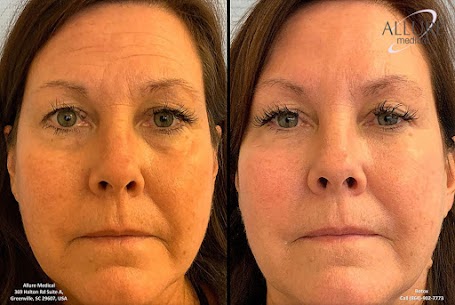
Natural doesn’t mean undetectable. Your partner may notice that you look fresher, less stern in the morning, “less tired.” That’s different from walking in with lines and walking out with porcelain skin. Respect that the most convincing results are subtle and layered. Botox is one tool; skincare, sleep, hydration, and sun discipline carry the rest.
Choosing the right clinic and provider
Credentials matter. Whether you search “botox near me” or rely on referrals, look for a botox clinic that lists the qualifications of its injectors, shows consistent botox before and after images with clear labeling, and encourages follow-up care. Ask who will actually perform your injections, how many faces they treat weekly, and what their complication management looks like. A botox doctor or experienced nurse injector should be comfortable discussing risks and alternatives without defensiveness.
Consistency builds trust. If a provider insists on a one-size-fits-all number of units for every forehead, consider that a red flag. Your face is not a template. The best practices take a photo map, document units by site, and adjust over time. They also carry recognized products and can show proof of purchase from reputable distributors. That last point protects you from diluted or counterfeit product.
When botox is not the right solution
Sometimes lines are not primarily muscular. Deep grooves at rest, such as long-standing horizontal forehead lines or etched smoker’s lines, may need resurfacing, collagen-stimulating skincare, or filler in addition to neuromodulator injections. Heavy lateral brow hooding caused by skin laxity will not lift significantly with botox alone. Neck skin creepiness responds better to energy devices or skincare than to wrinkle relaxing injections. During the consultation, a candid provider will flag these limitations and suggest a sequence that makes sense for your anatomy and budget.
Timelines, touch-ups, and maintenance
Think of your first cycle as a baseline. You’ll see the effect develop over two weeks, feel how your expressions change, and decide what you love versus what you’d tweak. At that point, a small touch-up can perfect symmetry or add a few units where movement remains stronger. Most people return at three to four months for maintenance. Some stretch to five or six with lighter expressions or layered skincare support. Over time, frequent frowners often find they don’t unconsciously recruit those muscles as strongly, so they maintain results with fewer units.
If you’re planning around major life events, map backwards. For weddings or photo-heavy occasions, schedule your botox appointment four to six weeks prior. That window lets the treatment peak and any minor bruising fade, and it leaves space for a tiny adjustment if needed.
Myths to retire
The most stubborn myths have a kernel of truth, which is why they persist, but they rarely survive nuance. A few deserve quick attention.
- Botox freezes your face. Proper dosing reduces overactive movement; it doesn’t erase expression. The frozen look comes from heavy-handed foreheads and inexperience. Once you start, you have to keep doing it. You can stop at any time. Your muscles gradually return to baseline over several months. You don’t “age faster” for having paused. Botox is only for wrinkles. Medical botox helps migraines, excessive sweating, jaw clenching, and certain muscle disorders. These are separate indications with different dosing strategies. Botox builds up in your system. It doesn’t accumulate over years. Each treatment wears off as nerve signaling regenerates. Cheaper is the same as affordable. True affordability balances safe botox, trained hands, and transparent pricing. Deep discounts often signal weak dilution controls or inconsistent technique.
Realistic before and after expectations
I caution first-time patients not to expect glass-smooth skin in one session. If a line has been etched for ten years, three months of muscle rest will soften it, not delete it. Improvement stacks with time. Photos taken under the same lighting, angle, and facial expression are the only fair comparison. A patient with deep frown lines often sees a 40 to 60 percent reduction after the first cycle, then a further lift in the second or third cycle as the habit of scowling breaks.
For masseter reduction, the after emerges gradually across six to eight weeks, since the muscle must atrophy to look slimmer. A lip flip shows faster, usually within a week, but is delicate and short-lived relative to other areas. Neck bands can look softer within two weeks, but overall neck rejuvenation often needs a combination approach.
Combining botox with other treatments and skincare
Botox pairs well with evidence-based skincare. A retinoid at night, vitamin C in the morning, and daily sunscreen help lines and pigmentation that botox can’t touch. For texture change or deeper static lines, consider microneedling, nonablative lasers, or light chemical peels, scheduled away from the botox appointment by at least a few days. If filler is in the plan, sequencing depends on the areas. I prefer treating the upper face with botox first, then re-evaluating filler needs two to three weeks later to avoid overcorrection.
If you are curious about non surgical wrinkle treatment options beyond neuromodulators, talk with your provider about how each modality contributes. Wrinkle smoothing injections address movement. Filler restores volume and supports structure. Energy devices tighten or improve texture. None replaces the others entirely.
What I tell every first-time patient before they leave
Expect subtle change within three days and the full effect at two weeks. If any area feels off, don’t wait and worry; send a photo or message the clinic. Avoid intense workouts and pressure on treated zones today, resume your life tomorrow. Keep sunscreen on daily, because relaxed muscles do not protect your skin from UV damage. Mark your calendar for a quick check in two weeks. At that visit, bring honest feedback about what you liked and what you would change. We update your map, save it, and build your personal botox blueprint.
Finally, trust your eye. Trendy spots come and go, but your face has a logic of its own. Whether you want botox for wrinkles on the forehead, the frown, or the crow’s feet, or something more specialized like botox jaw slimming, a gummy smile tweak, or neck bands softened, the right plan is the one that keeps you looking like you on a well-rested day.
A concise first-timer checklist
- Vet the botox provider, ask about credentials, product sourcing, and follow-up policy. Time your botox appointment two to four weeks before important events. Avoid alcohol and blood thinners for a day or two before treatment if medically permissible. Start conservatively, expect peak botox results at 10 to 14 days, and plan a touch-up only if needed. Maintain with sunscreen, smart skincare, and regular but not rigid treatment intervals.
The throughline: safety, skill, and restraint
Botox is a precise tool. In the right hands, it relaxes the muscles that etch lines without flattening the character that makes your face yours. If you remember nothing else, remember that safe botox depends on sterile product, clean technique, and an injector who listens more than they lecture. The best results rarely look dramatic to strangers. They look like good sleep, a softer frown, and the easy confidence of feeling in step with your mirror. Whether you found your botox clinic from a friend’s referral or a search for “botox near me,” hold your provider to that standard. It pays off every time you raise your brows, smile into daylight, or glance at a photo and see the version of yourself you prefer.